
Hamblen County Rule 4 Starts With Complaint
Tennessee Rule of Criminal Procedure 4 maps the whole route. A complaint plus a supporting affidavit goes to a magistrate or clerk, who reviews probable cause. If the rule is satisfied, the judicial officer issues a warrant or a summons. The warrant tells an authorized officer to bring the named person into custody. A missed court date creates a separate kind of bench warrant, so don't confuse the two. The Tennessee Courts rules index publishes the current rule set, and it is the official place to read Rule 4 yourself. In Hamblen County, the court and its clerk keep the case record after issuance. The sheriff, a police department, or another authorized agency may then serve the process. The affidavit backing the complaint stays part of the judicial review, not a public directory entry. Rule 4 also allows a summons in place of an arrest order when the issuing officer chooses that route. Anyone holding a summons should follow its court date. Questions about the arrest process belong with the issuing clerk or with counsel. The county's public portal does not display the affidavit or a searchable list of every instrument. Keep one limit in mind: a short online record never lets an outside reader decide probable cause. A Hamblen County page may also omit sealed or restricted material. A citation portal is not an arrest-warrant docket either. Use the document you were served, or the court's cause number, to ask the clerk for the public portion of the record.
Hamblen County Arrest Warrants Explained
A Hamblen County arrest warrant starts with the court, not with a search portal. Tennessee procedure sends a complaint and affidavit to a judicial officer, who decides between a warrant and a summons. Hamblen County posts no single public warrant search that blends every court and serving agency. Felony questions belong to Criminal Court or Circuit criminal records. General Sessions handles misdemeanors and preliminary matters. A Morristown or White Pine municipal citation can travel a different route. The court named on your paperwork tells you which clerk to call.
Hamblen County Clerk and Sheriff Differ
The clerk and the sheriff do different jobs in Hamblen County. The clerk keeps and routes court records; the Sheriff's Office and city police serve process. Teresa West is the named clerk for Circuit, Criminal, General Sessions, and Juvenile Court. The Sheriff's Office page offers a general contact and links to iSOMS, but it names no public warrant division and posts no service roster. Hamblen E-911 reporting describes NCIC terminal-agency coordination and validation duties. That system stays inside law enforcement; the public cannot search it. So a public page shows one slice of a process, or none at all. The clerk's office sits at 440 N Jackson Street, Morristown, reachable at 423-586-5640, open weekdays from 7:30 a.m. to 4 p.m. The Sheriff's Office lists 460 N Jackson Street and 423-586-3781, while other county pages place the Justice Center at 510 Allison Street. Confirm the right office and building before you drive over; none operates a 24-hour public warrant window. Ask a clerk to pull the docket and explain which case entries are public. Ask a sheriff contact about service or custody. Just do not swap one record for the other: an agency's service note never replaces the court order, and a public court entry may not show every law-enforcement action.
Inside a Hamblen County Arrest Warrant
Hamblen County publishes no arrest-warrant detail page showing local field labels or a number pattern. Ask the clerk which case identifier applies and whether a record is public. Bond terms and status codes also need confirmation from the issuing court.
| Warrant Number | Format not published; ask for the court’s case number. |
|---|---|
| Named Subject | Public values may be restricted or redacted; name alone is not identity confirmation. |
| Charge / Offense | Confirm the complaint or offense description with the issuing court. |
| Issuing Judge / Court | Ask which judicial officer signed it and which court controls the case. |
| Bond / Bail Set | No universal Hamblen County bond schedule was found. |
| Date Issued | Ask what issue and service dates are public in the case file. |
Read any entry next to the court caption and the document date. A date of issue, a later service event, and the current disposition mark three separate moments. Hamblen County publishes no common status-code glossary, so have the clerk explain the field in the actual record.
Hamblen County Has No Public Process List
Hamblen County posts pieces of the picture, never a full warrant register. The iSOMS Most Wanted page is curated. Its Jail Search covers custody. Morristown's form searches citations only. None of these shows every Hamblen County arrest warrant, and no office here publishes an execution log or a set service timeline. Rule 34 and other access limits apply. Ask the issuing clerk about a records request. The county court and clerk page lists each jurisdiction and Teresa West's office information, so use that court route to find the docket instead of an unrelated portal result. Name the court and cause number. That detail lets the clerk pull the correct public record for your copy. Broader Tennessee Public Records Act requests run through the county PRRC, which routes a defined request to the custodian. That channel moves slowly. Juvenile, sealed, and investigative material may stay off limits, and none of that process creates an instant warrant answer.
Serving Arrest Warrants in Hamblen County
Serving a Hamblen County warrant usually falls to the Sheriff's Office, the principal service and detention contact. Morristown Police and White Pine Police are separate departments. No Hamblen County agency posts a full list of the warrants assigned to it. iSOMS can show custody after an arrest. That record is not the warrant itself. Ask the issuing clerk and the sheriff contact where the matter is handled, whether a voluntary appearance is accepted, and how booking or bond questions are answered. The jail is staffed around the clock. That staffing does not set public warrant-window hours. The Criminal Apprehension Unit reported 155 arrests and 180 warrants served over 1,688 hours in its 2026 report. Those numbers measure one unit's activity. They are not a count of every open Hamblen County warrant, a forecast of service time, or a map of which agency holds a given process. Ask the court and serving office directly. Use the case number when you ask, so the right office can pull the right file. Serving can also depend on where a process is assigned or first encountered. Hamblen County publishes no execution roster by agency. There is likewise no public timetable from issue to service. Have the case number ready. A family member routing a loved one's case in Hamblen County can ask which public office confirms the next procedural contact.
Federal Warrants Use a Separate Route
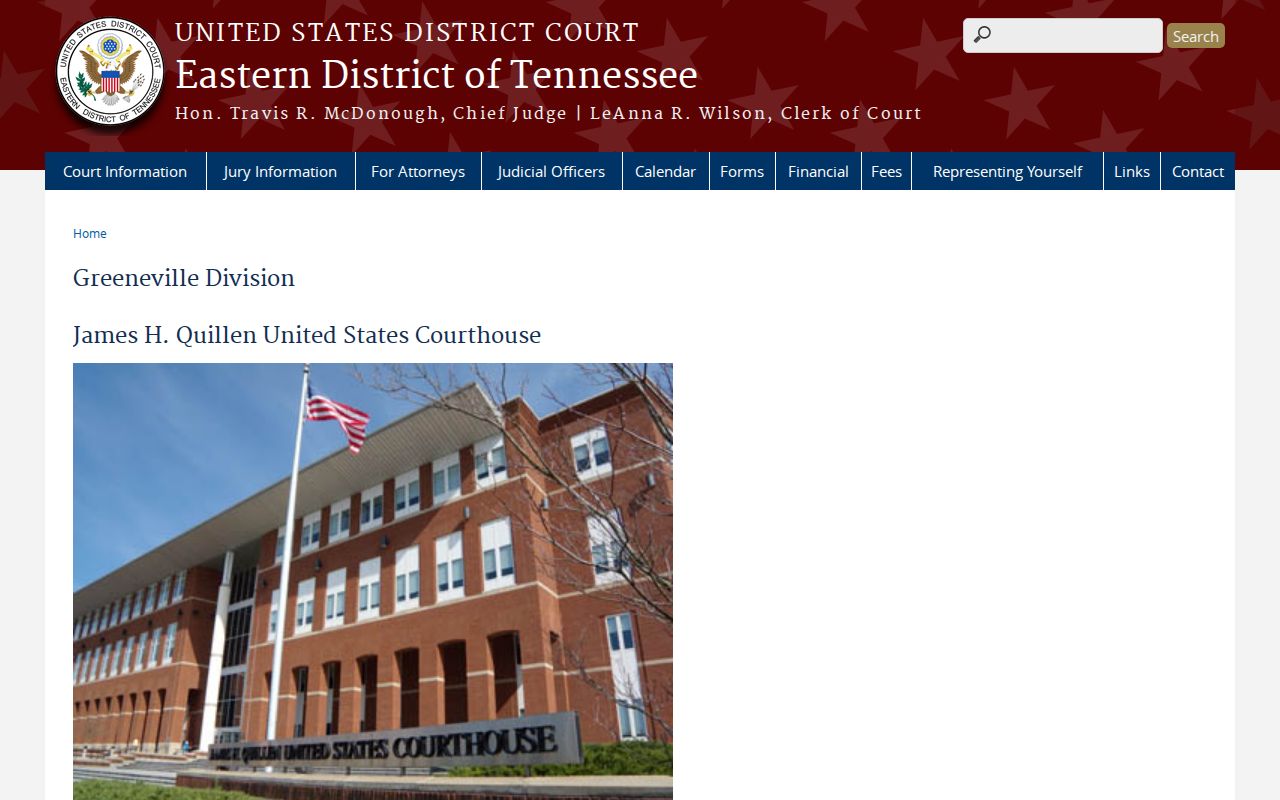
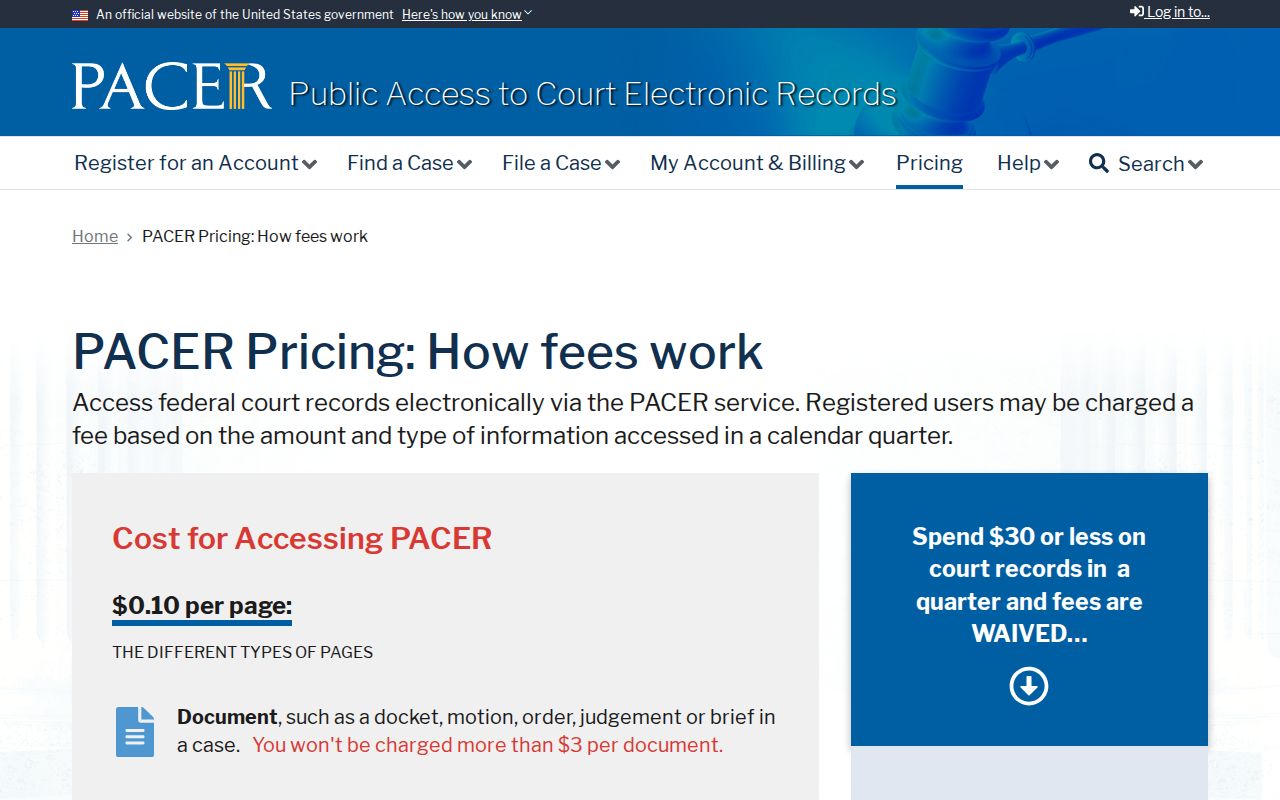
A federal case never lands on a Hamblen County docket. Hamblen County sits in the Eastern District of Tennessee, and that district's Greeneville Division handles the federal route. PACER is where public federal dockets live. Sealed papers and execution status can stay hidden there. The notice you received should name the federal court and the case number. Use those exact details. They keep a federal matter separate from a Hamblen County case with a similar name. PACER charges fees under its published schedule. A docket entry proves a filing, nothing more. It will not show whether an arrest process remains unserved or what release conditions apply. Federal and Tennessee clerks run separate systems. Don't expect Teresa West's county office to search federal dockets. Do not expect PACER to report a sealed warrant or real-time execution status either. When a notice names the Greeneville Division, follow the instructions printed on it. Ask counsel about any appearance or surrender question. The fee rules sit in one place. PACER's pricing page separates public docket access from the underlying court action, so filings may surface while execution, sealed papers, or a later release decision stay outside the view. Give the federal clerk the division and case number from the notice when you ask for routing. The Eastern District's Greeneville Division page identifies the federal courthouse and its official court contact details.
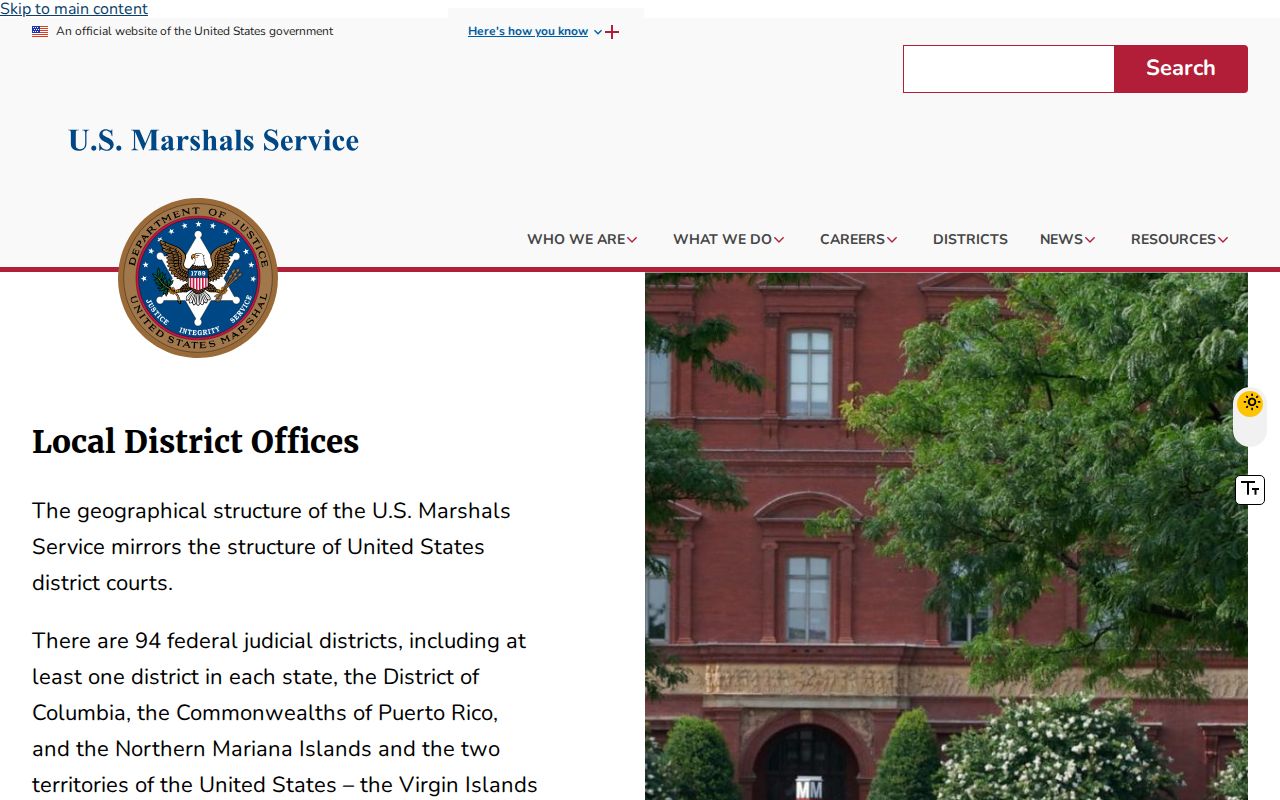
Federal service in eastern Tennessee belongs to the U.S. Marshals. Their directory is an office list, not a Hamblen County warrant search. The U.S. Marshals district directory identifies the Eastern District of Tennessee office and its contact information.
Go the federal route only when a notice or your counsel names a federal case. A Hamblen County or city court office cannot confirm every federal process. Fees and access rules sit in one spot. PACER's official pricing and access page explains how public docket access works and what it costs.
A docket search alone settles nothing about execution status. Hamblen County readers with a federal question should confirm it with the federal clerk or counsel.
Comparing Arrest, Summons, and Bench Warrants
Hamblen County courts use three different papers. A summons orders an appearance, and a bench warrant follows when that date is missed. An arrest warrant authorizes custody after the court's review, so the case type and the paper itself decide which route applies.
| Feature | Arrest Warrant | Summons | Bench Warrant |
|---|---|---|---|
| What It Orders | Arrest under the court process | Appearance at a stated time | Return to court after an obligation issue |
| Basis | Complaint and probable-cause review | Rule 4 summons route | Missed appearance or court order |
| Who Issues It | Magistrate or authorized court officer | Court under applicable rule | Judge handling the existing case |
| How to Respond | Ask counsel and court about status and appearance | Attend on the stated date | Ask issuing court about recall or reset |
Hamblen County Bond Terms Need Court Check
Hamblen County publishes no complete bond schedule, no universal after-hours recall procedure, and no approved surrender window. So the amount depends on the issuing court. It can also hinge on the case itself and on any separate hold, which means an old custody result tells you little about what a warrant carries today. Before paying anything, ask the court or detention office which form of release applies, where payment is accepted, and what written record will show the Hamblen County warrant was served or recalled. A licensed Tennessee attorney or the District 3 public defender office can walk through options that fit the case. When staff quote a figure, pin down whether it covers the charge in the warrant, a separate case, or an added hold, and ask which payment methods the office takes and how the court action will appear on the docket. Keep one limit in mind: a payment confirmation proves the transaction and nothing more. It does not show whether every outstanding court condition has been addressed.
If There’s an Arrest Warrant for You
Suspect a Hamblen County warrant has your name on it? Call the issuing clerk first. That one call tells you what kind of process is out, whether your lawyer can get a setting, and whether a second agency has placed a hold. Once you know, a defense attorney can walk you through voluntary surrender, bond, or a motion to recall or quash the warrant. Write down the case number, court date, issuing agency, and any notice you received, and keep those close. Guard your birth date and Social Security number, and never send them over an unverified public channel. If the trouble started with a missed court date, take the bench-warrant route instead. There you will see why the original court controls a Hamblen County bench warrant.
Important: Speak with counsel and the issuing court before appearing; no public Hamblen source states one surrender location or release procedure for every case.